
Ford Bronco Cost of Ownership
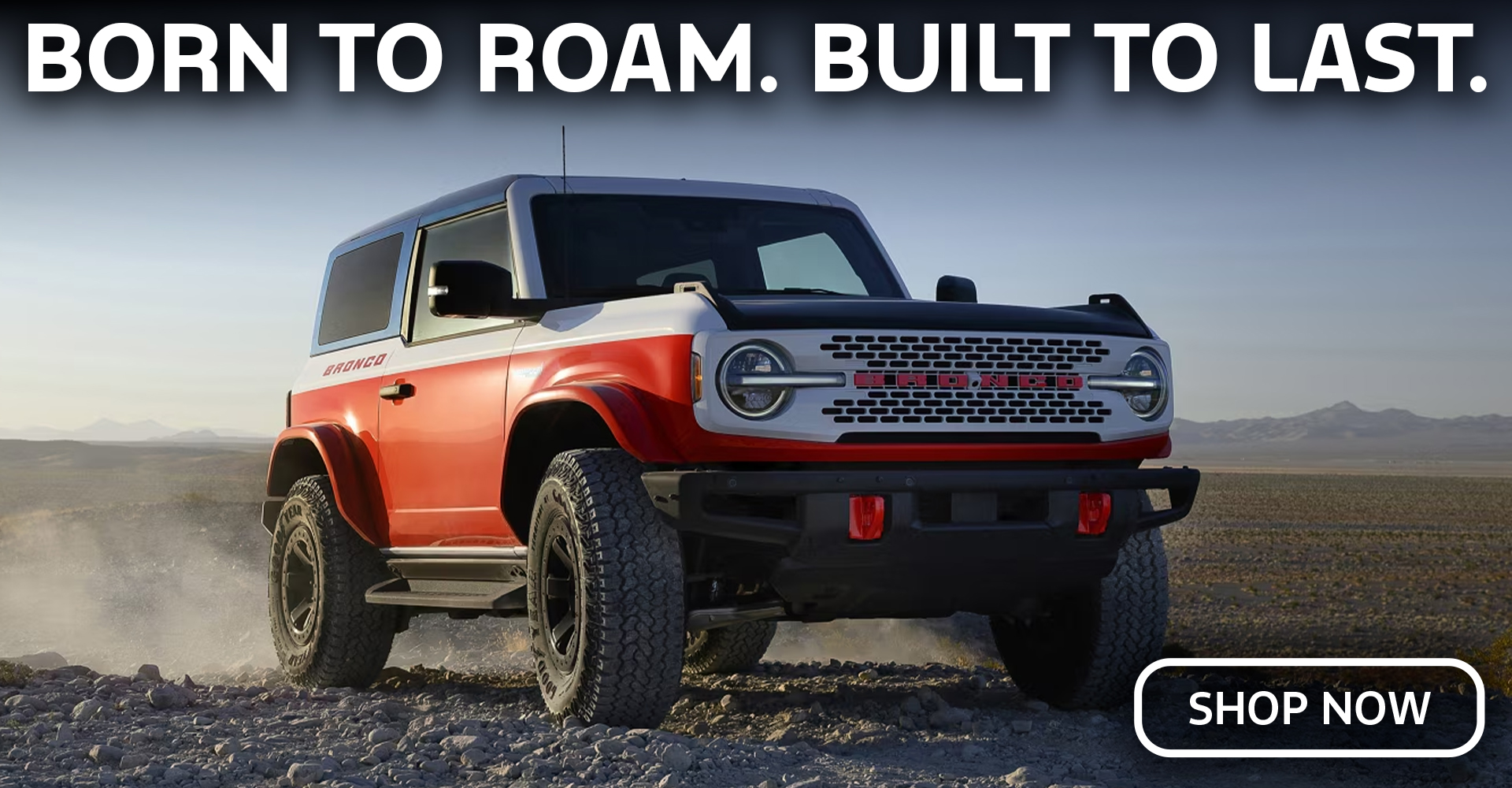
Understanding Ford Bronco Expenses: What You Need to Know Before Buying
The Ford Bronco has always been a fan favorite among off-road enthusiasts and everyday drivers alike. Known for its rugged capabilities, stylish design, and impressive performance, the Ford Bronco is an appealing choice for those seeking adventure and durability. However, before purchasing one, it’s important to understand the costs associated with owning a Ford Bronco, from the initial price tag to ongoing expenses such as insurance, maintenance, and depreciation. Keep reading to learn more about the Ford Bronco cost, and head to Boulevard Ford of Millsboro to take a test drive!

Ford Bronco Purchase and Ownership Costs
The Ford Bronco cost varies depending on the model, year, and trim level. As of 2024, the price range for a new Ford Bronco falls between $41,000 and $91,000. Beyond the purchase price, prospective owners must consider additional costs such as insurance, maintenance, and fuel. The estimated five-year cost to own a Ford Bronco ranges from $52,000 to $60,000.
Do Ford Broncos Hold Their Value?
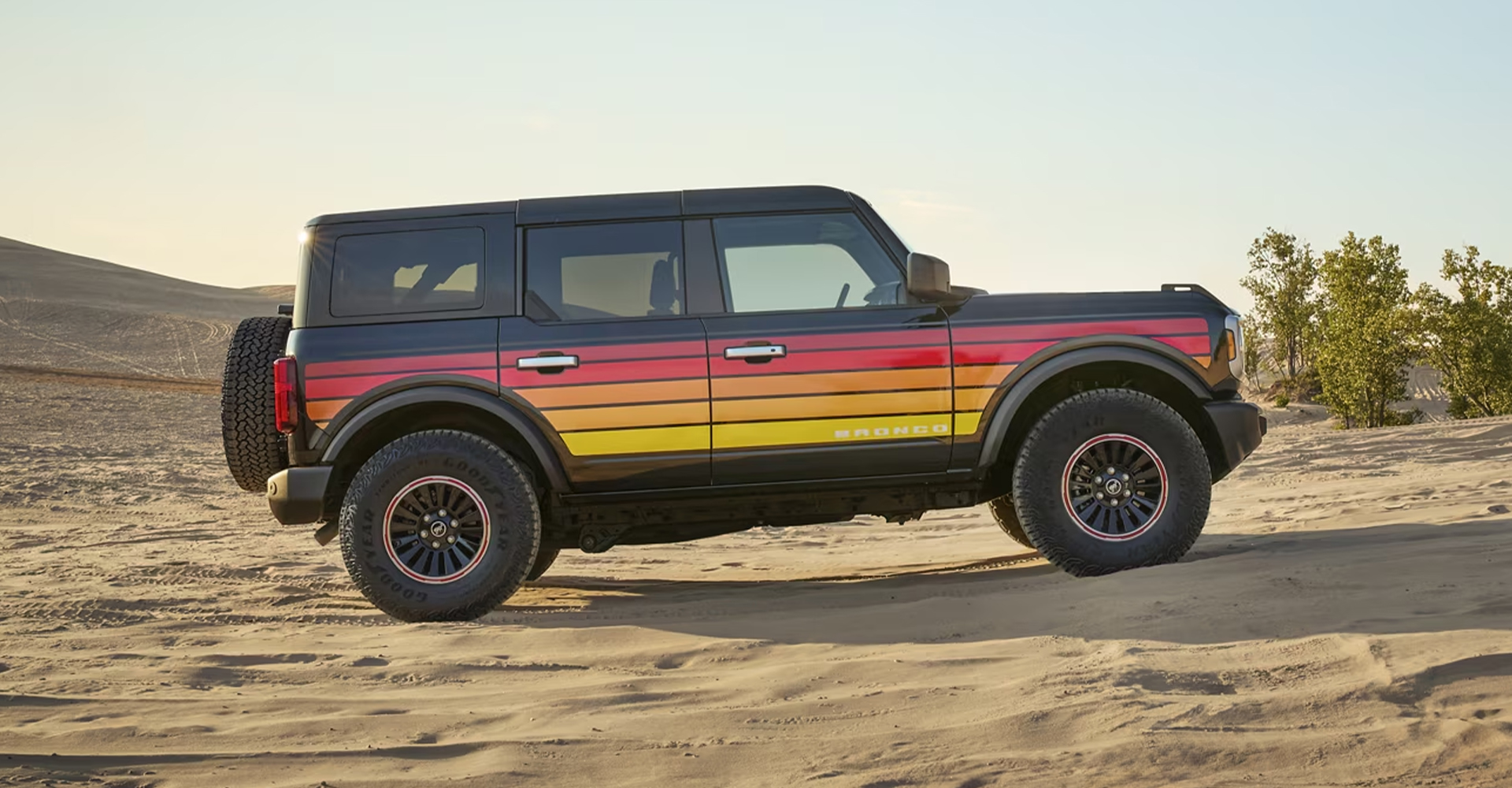
One of the key advantages of owning a Ford Bronco is its strong resale value. Thanks to its popularity, durability, and low depreciation rate, the Ford Bronco holds its value better than many other vehicles in its class. Its rugged design and off-road capabilities also contribute to its appeal, making it a sought-after option for outdoor enthusiasts.
The Ford Bronco depreciation value is averaged to be about 47% after five years. This leaves it with an estimated Ford Bronco resale value of $32,894, making the Ford Bronco a solid choice for buyers concerned with long-term investment.
Ford Bronco Maintenance Cost
Routine maintenance is essential for keeping a Ford Bronco running smoothly. Over five years, owners can expect to spend around $3,000 to $5,000 on maintenance. Regular service appointments, including oil changes, tire rotations, and brake inspections, help ensure the vehicle’s longevity and performance.
Ford Bronco Financing Rates
For buyers looking to finance their purchase, exploring Ford Bronco financing rates is important. Getting pre-approved by filling out an online financing application can streamline the purchasing process. An online payment calculator can also help determine your Ford Bronco monthly payments based on interest rates and loan terms.
Ford Bronco Insurance Cost
Insurance is another factor to consider when budgeting for a Ford Bronco. Over five years, insurance costs typically range from $4,000 to $5,000, though this can vary based on factors such as the driver’s history, location, and chosen coverage levels.
Making a Smart Ford Bronco Purchase Decision
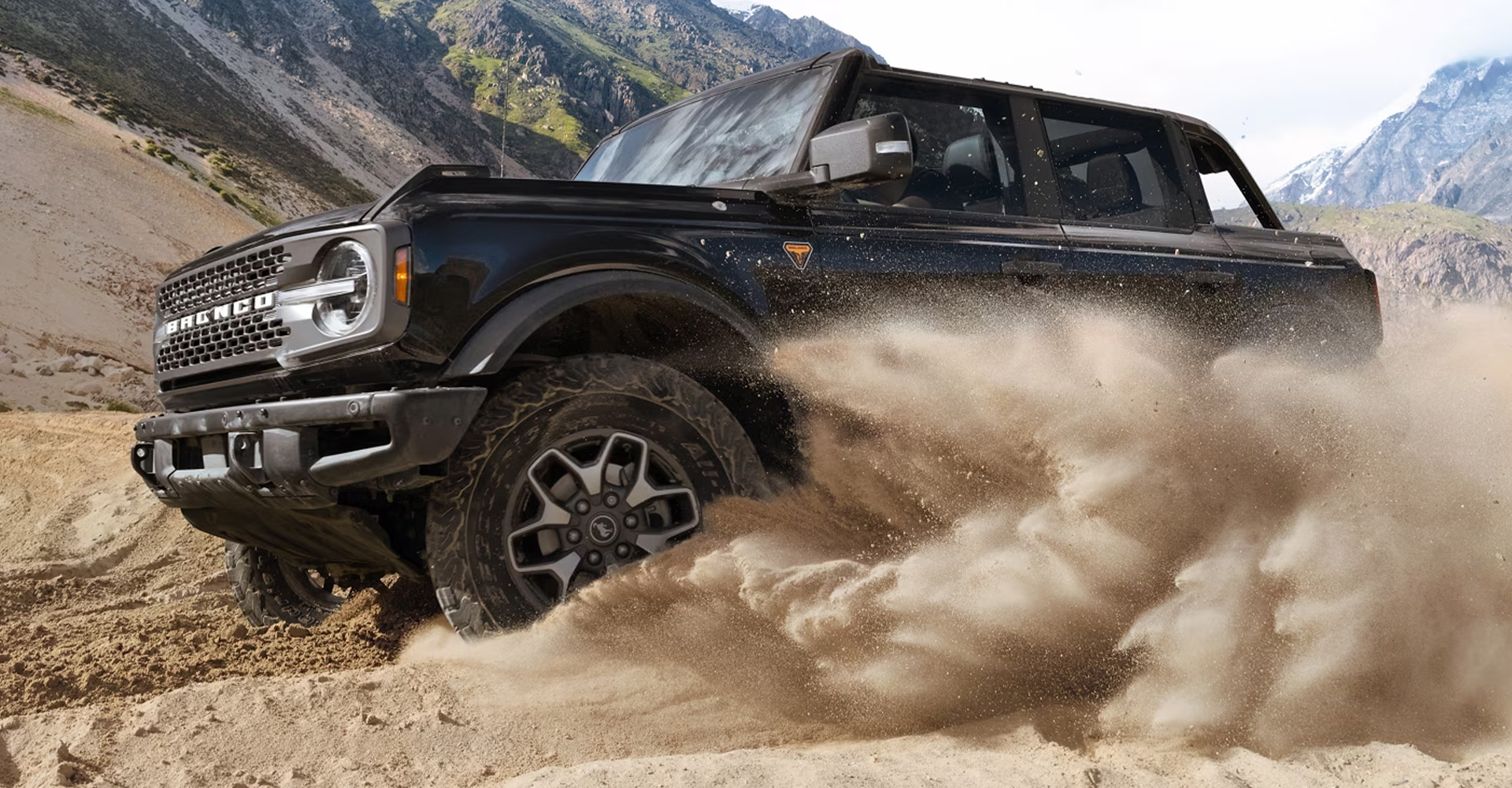
Understanding the total cost of ownership is crucial for making an informed decision about purchasing a Ford Bronco. Considering the Ford Bronco’s strong resale value can help ensure a good investment while researching the market value of different models and years can help buyers find the best deal. Knowing the depreciation rate aids in planning for long-term costs, and comparing the benefits of buying new versus used helps determine the best financial option. Additionally, factoring in ongoing Ford Bronco costs such as insurance, maintenance, and fuel provides a clearer picture of affordability. If you’re ready to experience the Ford Bronco firsthand, visit Boulevard Ford of Millsboro to explore available models and take a test drive today!
Ford Escape Cost of Ownership
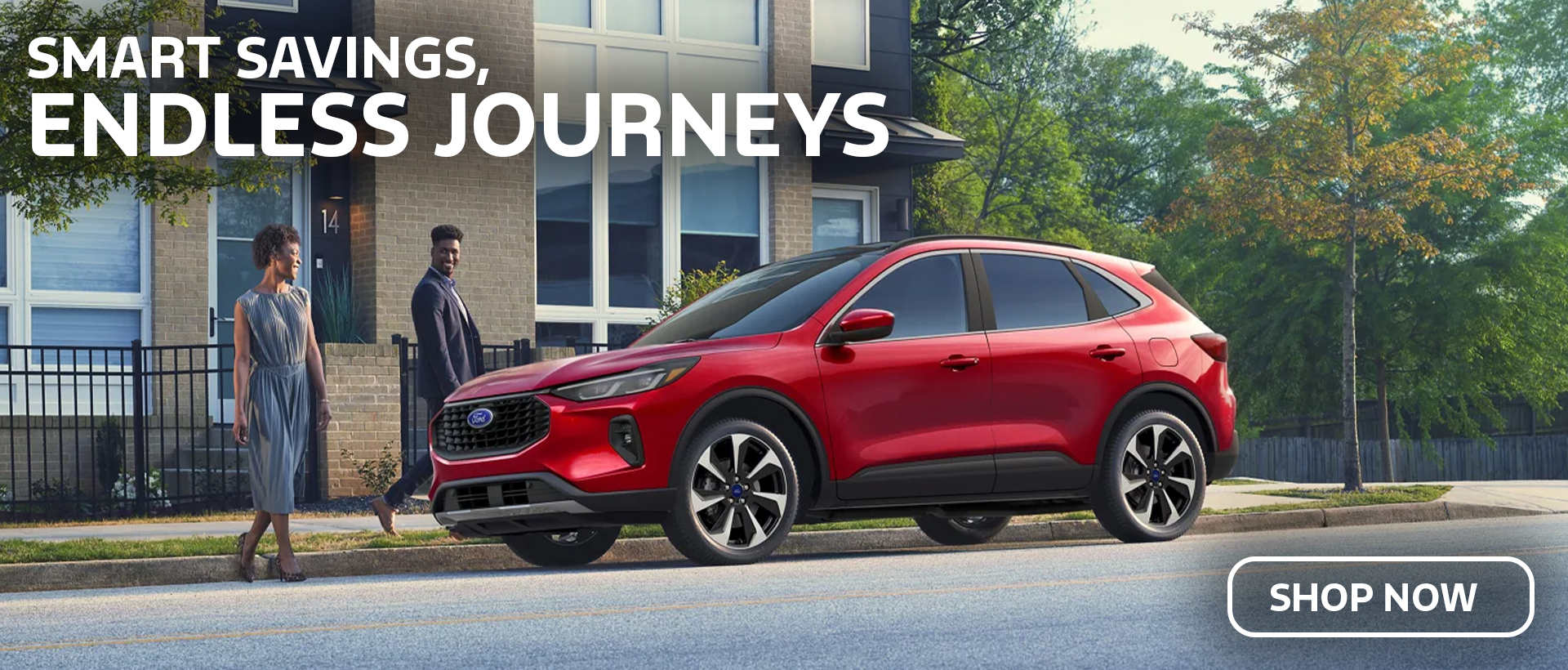
Understanding Ford Escape Expenses
If you’re considering purchasing a Ford Escape, understanding its total cost of ownership is crucial to making a well-informed decision. The Ford Escape has been a popular crossover SUV for many years, offering reliability, comfort, and performance. However, like any vehicle, it comes with a range of costs that go beyond the initial purchase price. In this blog, we’ll explore the Ford Escape cost including its depreciation, resale value, maintenance, insurance, and financing costs, to give you a complete picture of what to expect in terms of Ford Escape expenses. Head to Boulevard Ford of Millsboro to learn more about the cost of the Ford Escape and take a test drive!
Ford Escape Costs
On average, the price range for a new Ford Escape typically falls between $30,000 and $41,000, depending on the trim level, features, and options selected. The model offers various trims, including the base S, SE, Titanium, and the sporty ST-Line, which can affect the overall price. While the Ford Escape is generally an affordable option for a compact SUV, it’s crucial to look beyond the initial price to understand the true cost of ownership. To get an estimate of your Ford Escape monthly payment, use our free online payment calculator.
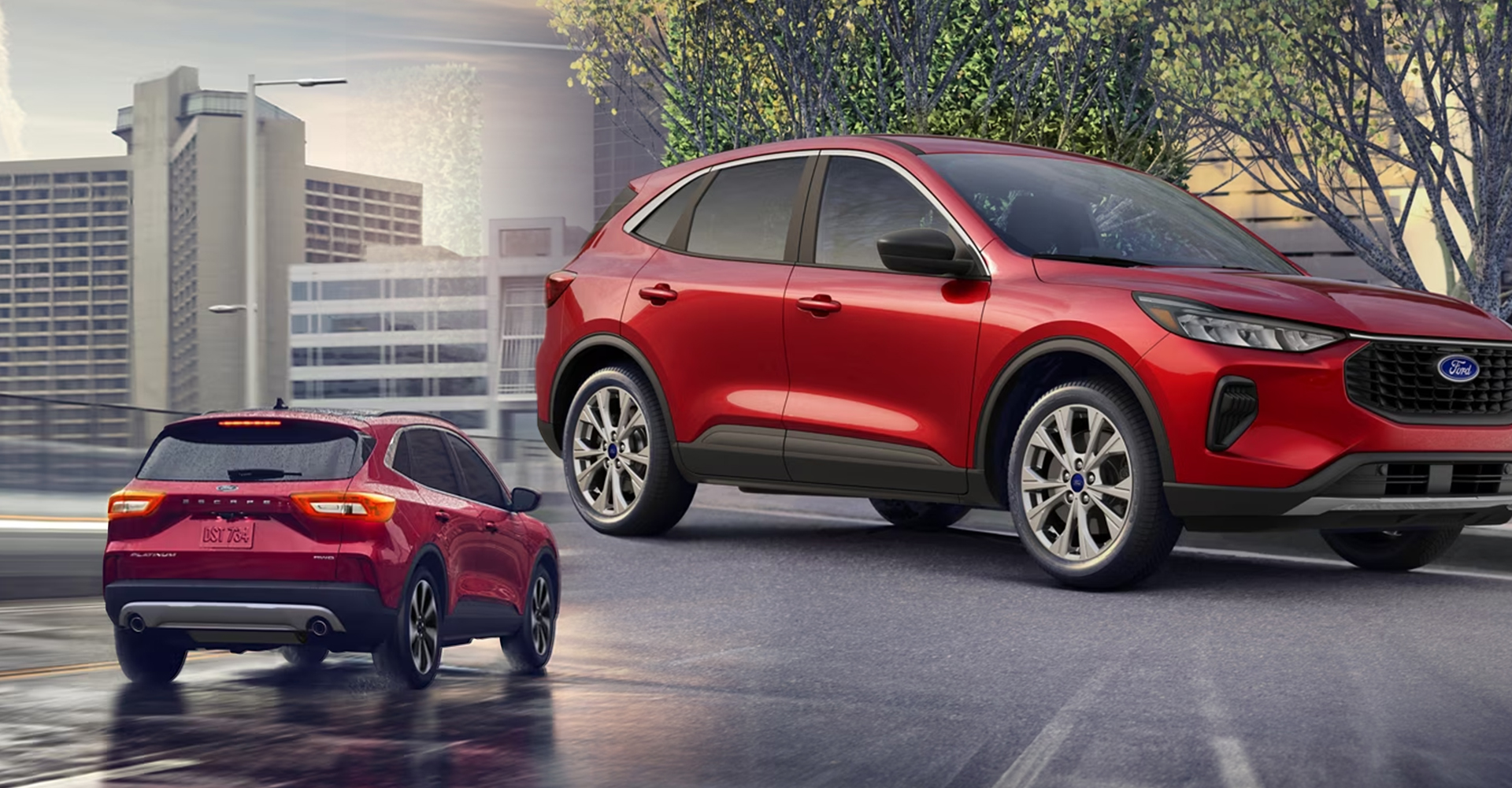
Ford Escape Resale Value
The Ford Escape’s resale value is influenced by several factors, including its age, trim level, mileage, and overall condition. Just like any vehicle, the Ford Escape’s value will decrease over time, but the rate of depreciation can vary based on how well you maintain the vehicle and how much demand there is in the market.
Some factors that affect the resale value of a Ford Escape include:
- Age and Trim Level: Newer models and higher trims generally hold more value.
- Condition: Regular maintenance and avoiding accidents or major repairs can preserve its resale value.
- Mileage: Lower mileage generally results in higher resale value.
- Maintenance History: A well-documented service history is beneficial for potential buyers and can improve the vehicle’s value.
- Market Demand: Popular models with high demand in the used car market typically retain more value.
Additionally, the original purchase price and the vehicle’s history, such as whether it has been in any accidents or had multiple owners, can influence the resale value.
Ford Escape Depreciation
Do Ford Escapes hold their value? Like all vehicles, the Ford Escape experiences depreciation over time, but it holds its value relatively well compared to other vehicles in its class. On average, a Ford Escape will depreciate by about 48% after five years, according to Car Edge reports. This means that a vehicle initially priced around $34,600 will have a resale value of approximately $18,007 after five years of ownership. While this may seem like a significant drop, it’s important to note that compact SUVs, in general, tend to depreciate at a slower rate than many sedans or larger SUVs. The rate of depreciation can also be influenced by factors like the vehicle’s condition, mileage, and maintenance history, so keeping your Ford Escape in good shape can help maintain a higher resale value.
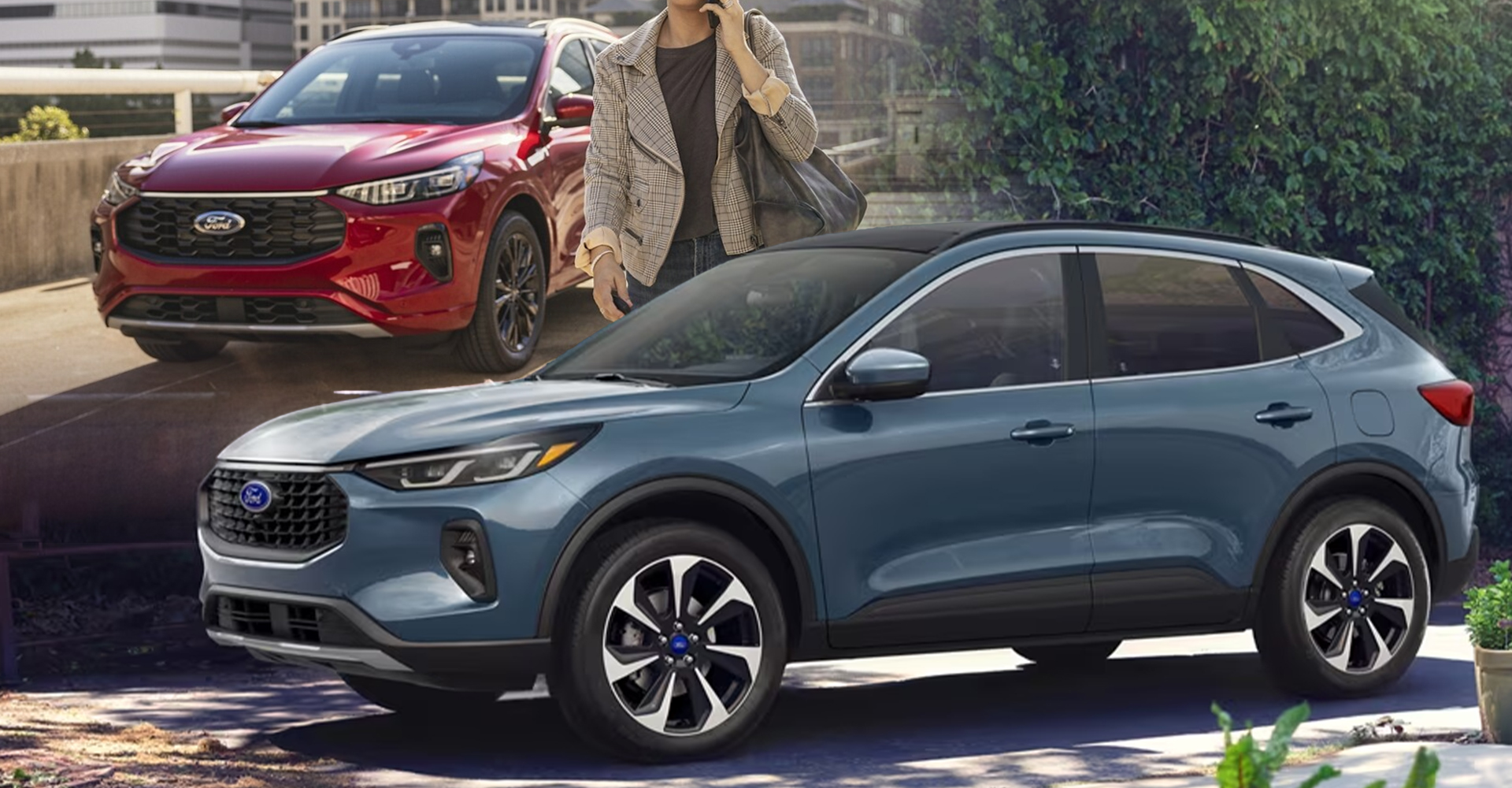
Buying a Ford Escape: New vs. Used
When deciding between a new or used Ford Escape, depreciation plays a significant role. A used Ford Escape that’s only 2 years old can provide substantial savings, allowing you to avoid the steepest depreciation hit. Additionally, if you plan to keep the vehicle for 3 years, the total depreciation would be around $6,072. Ford Escape interest rates can also affect the cost of the vehicle. If you’re looking for a cost-effective option, consider purchasing a used Ford Escape. However, always evaluate the car’s history, mileage, and overall condition to ensure you’re getting the best deal.
Ford Escape Maintenance and Repair Costs
Owning a Ford Escape also means factoring in maintenance and repair costs. Over a 5-year span, you can expect to spend between $3,000 and $5,000 on maintenance and repairs. Regular vehicle service, like oil changes, brake inspections, and tire rotations, can help keep your Ford Escape running smoothly and retain its value. Additionally, the Ford Escape’s fuel efficiency can impact its operating costs. Depending on your chosen trim level and model year, the Ford Escape offers competitive fuel economy that can help keep your overall cost of ownership in check.
Ford Escape Insurance Cost
Insurance prices for the Ford Escape can differ based on a variety of factors such as the model year, trim level, your driving history, and where you live. On average, you can expect to pay between $4,000 and $14,000 in insurance premiums over five years. To reduce insurance costs, it’s wise to browse and compare quotes from different providers to ensure you’re getting the best deal. Car insurance is an important part of your overall ownership costs and should be factored into your budget when considering Ford Escape cost.
Tips for Maximizing Ford Escape Resale Value
To maximize your Ford Escape’s resale value, follow these tips:
- Regular Maintenance: Stay on top of routine services to keep the vehicle in good condition.
- Avoid Accidents: A clean accident history will help maintain your vehicle’s value.
- Document Maintenance: Keep records of all maintenance and repairs to demonstrate your car’s history to potential buyers.
- Upgrade to Newer Models: If resale value is important to you, upgrading to a newer trim or model can help boost the car’s appeal.
- Sell Early: Consider selling your Ford Escape within the first five years to maximize its resale value before depreciation accelerates.
Your Escape Awaits
Understanding the total cost of ownership for a Ford Escape goes beyond its purchase price. The Ford Escape cost includes depreciation, maintenance, insurance, and financing, which all add up over time. However, the Ford Escape’s strong resale value and relatively low maintenance costs make it a smart investment for many drivers. Whether you’re buying new or used, taking care of your Ford Escape and considering the factors that impact its depreciation and resale value will ensure that you get the most value out of your investment. Take a trip to Boulevard Ford of Millsboro to test drive the Ford Escape and browse our inventory!
Ford F-150 Cost of Ownership
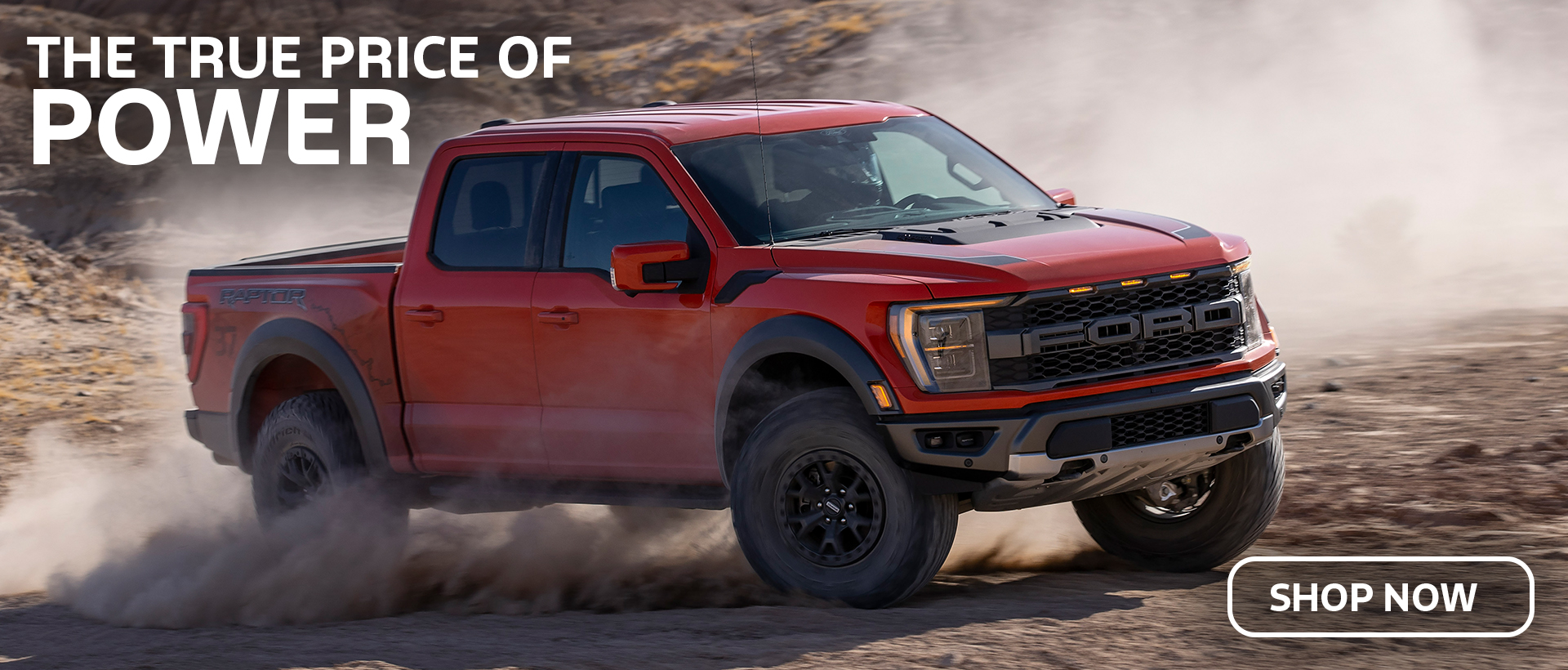
Understanding Ford F-150: What to Expect for Ownership and Resale Costs
The Ford F-150 is one of the most popular and iconic trucks in the U.S., known for its reliability, power, and versatility. Whether you’re considering purchasing one for work or personal use, it’s important to understand the full range of costs associated with ownership, including the initial price and the long-term expenses such as insurance, maintenance, fuel, and Ford F-150 depreciation. In this blog, we’ll explain everything you need to know about the cost of a Ford F-150, helping you make an informed decision before hitting the road. Stay tuned and head to Boulevard Ford of Millsboro to browse our Ford F-150 inventory!

Ford F-150 Ownership Costs
The total cost of owning a Ford F-150 can vary greatly based on several factors, including the model year, trim level, condition, and how much you drive. When you’re budgeting for your Ford F-150, remember to factor in not only the purchase price but also ongoing expenses like insurance, fuel, maintenance, and repairs. According to 2024 reports, the prices of a new Ford F-150 range between approximately $38,000 and $77,000, depending on the configuration and trim level. In addition to the initial purchase price, it’s crucial to consider the total cost of ownership over time, which is where the depreciation, resale value, and insurance cost come into play.
Ford F-150 Monthly Payment
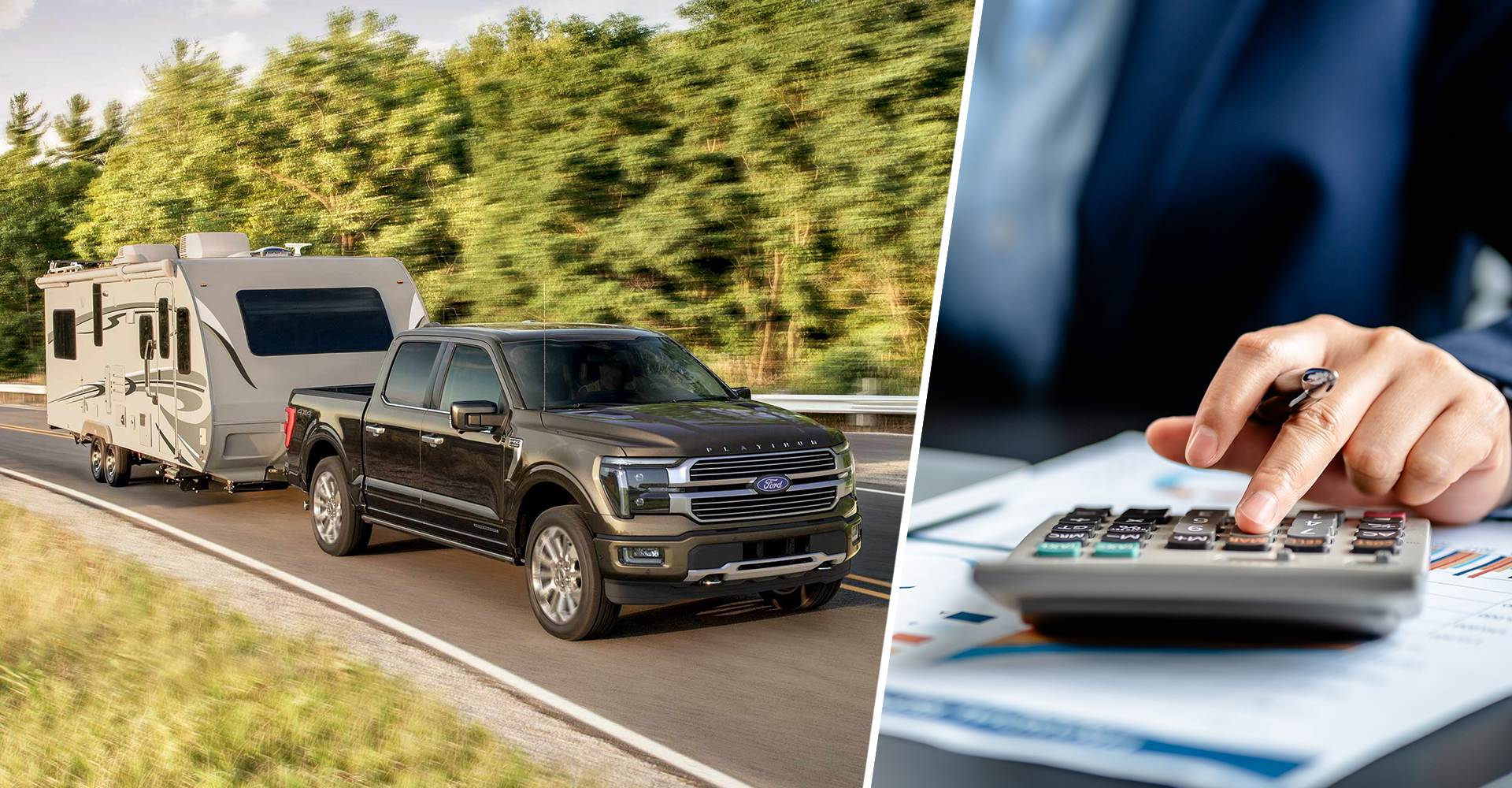
When you finance your Ford F-150, your monthly payment will depend on a few things, like the loan amount, interest rate, and how long you choose to finance. For example, if you borrow $50,000 with a 5% interest rate over 60 months, your monthly payment would be about $943. Our team is here to help you find financing options that work for your budget! Use our payment calculator to get started today.
Ford F-150 Maintenance and Repair Costs
One of the most important aspects of owning a Ford F-150 is understanding the maintenance cost over time. Regular maintenance, including oil changes, tire rotations, brake pad replacements, and other essential services, can help prevent costly repairs down the road. Typically, maintenance expenses for the Ford F-150 average around $5,000 to $6,000 over the course of five years, but the actual costs may differ depending on the truck’s age, driving habits, and whether you stick to a regular maintenance schedule. Avoiding regular maintenance can lead to more serious problems and higher repair costs. For example, while oil changes and tire rotations are fairly low-cost items, major repairs like brake system overhauls or transmission repairs can be costly, potentially running into the thousands. To mitigate the impact of these unexpected repairs, many owners opt for extended warranties, which provide peace of mind and cover unexpected repairs.
Ford F-150 Insurance Cost
One of the biggest ongoing expenses for any vehicle is insurance. The cost of Ford F-150 insurance will depend on a range of factors, including your driving history, age, location, and truck’s model year. On average, insurance for a Ford F-150 can cost anywhere from $5,000 to $16,000 over the span of five years. However, the best way to keep these costs manageable is to shop around and compare quotes from different insurance providers. Additionally, remember that registration costs will vary based on the state in which you live.

F-150 Resale Value and Depreciation
The Ford F-150 depreciation can be significant, as many models can lose as much as 50% of their value within the first five years. This is important for anyone considering selling or trading in their Ford F-150 down the road. Factors that affect the Ford F-150 resale value include the trim level, model year, condition, and any added features. For instance, limited-edition models or those with advanced tech and high-end finishes tend to hold their value better than base models. By researching Ford F-150 depreciation and keeping track of the vehicle’s condition, you can make more informed decisions when it’s time to sell or trade-in your vehicle.
Want to trade in your current vehicle? Click here to Value Your Trade or learn more about our We Buy Cars program at our Instant Offer Center.
Browse Our Inventory
Owning a Ford F-150 can be a rewarding experience, but it’s crucial to be aware of the ongoing costs involved. Whether it’s the Ford F-150 maintenance cost, insurance, or depreciation, these factors play a key role in the total cost of ownership. By understanding the Ford F-150 cost beyond the sticker price, you can better prepare for long-term ownership and make an informed decision that fits your budget. Make sure to research, shop around for insurance, and stay on top of your vehicle’s maintenance to minimize unexpected expenses and maximize your truck’s lifespan. The Ford F-150 remains an incredibly popular and reliable choice for drivers who want a truck that can handle anything, from daily driving to tough jobs. Understanding the true cost of ownership will help you get the most out of your investment. Visit Boulevard Ford of Millsboro to take America’s Favorite Truck for a test drive to see its excellence firsthand!
Ford Bronco Sport Off-Road Build

Top Ford Bronco Sport Off-Road Accessories for Adventure Seekers
The Ford Bronco Sport is an incredible off-road vehicle right out of the box, but with the right upgrades, you can unlock its full potential for your adventures. Whether you’re tackling muddy trails, rocky paths, or just looking for a smoother off-road experience, a few key modifications can make all the difference. Here are some top upgrades to consider when taking your Ford Bronco Sport off-road. If you have some more questions about the Ford Bronco Sport’s off-road build, stop by Boulevard Ford of Millsboro, and we will happily fill you in on all the exciting upgrades you can opt for.
1. Suspension and Lift Upgrades
Every Ford Bronco Sport comes equipped with the High-Performance Off-Road Stability Suspension (HOSS) system. This cutting-edge suspension is rigorously tested in the wildest off-road environments, so you can trust it to keep your Ford Bronco Sport steady and in control, no matter how rough the trail gets. Whether you’re navigating rocky paths or tackling muddy slopes, the HOSS system is built to take on the toughest terrain with confidence. One of the most effective ways to improve your Ford Bronco Sport’s off-road capabilities is by upgrading the suspension. A lift kit can increase ground clearance, helping you easily navigate over obstacles. Whether you go for a slight lift or a more significant increase in height, you’ll enjoy better stability and handling on tough trails. Pair your new lift with upgraded shocks and struts for improved performance.
2. Wheels and Tires
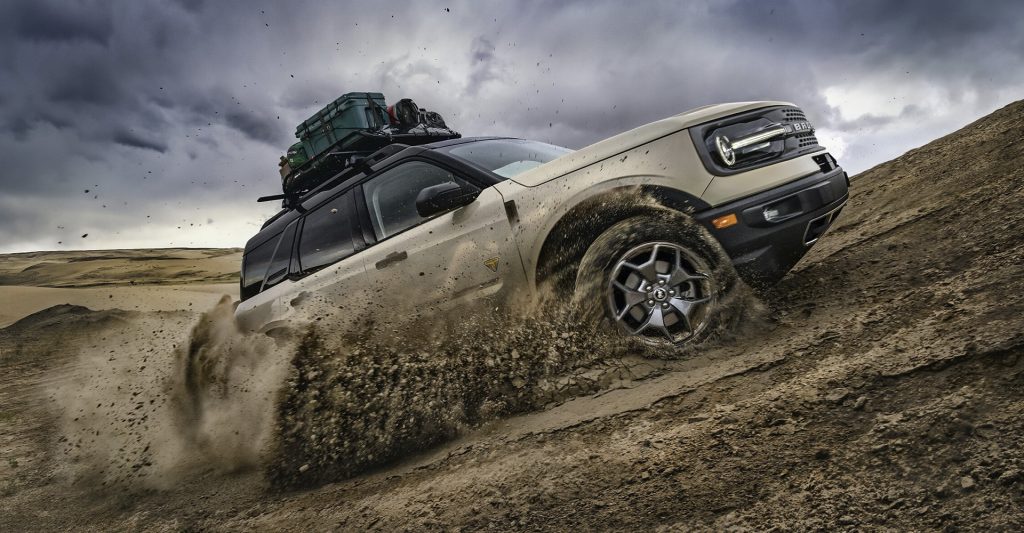
Upgrading your wheels and tires is another great way to boost your Ford Bronco Sport’s off-road performance. Larger, more rugged tires with a wider stance provide better traction and stability, while off-road-focused wheels help you conquer tough terrains. Be sure to choose the right tire type for the kind of off-roading you plan to do, whether it’s all-terrain or mud-terrain tires. You can opt for Ford Bronco Sport off-road tires with available all-terrain tires that are hardwearing and built to withstand all off-road conditions. These tires give you an added 23.6-inches of water fording capabilities and 8.8 inches of ground clearance on select models.

3. Off-Road Protection and Armor
Off-roading can be tough on your vehicle, so protecting your Ford Bronco Sport’s body and undercarriage is essential. Metal bash plates are available as a Ford Bronco Sport off-road upgrade to keep your underbody well-protected while venturing off the beaten path. Adding skid plates, rock rails, and fender flares helps prevent damage from rocks and debris. Off-road bumpers with tow hitches also provide added protection and functionality for your adventures.
4. Lighting Upgrades
Visibility is key when you’re off the beaten path. Adding extra lights like LED light bars or spotlights can make a huge difference when navigating in low-light conditions. Whether you choose roof-mounted lights or bumper-mounted options, upgraded lighting ensures you’ll always have a clear view of your surroundings.
5. Recovery and Safety Gear
Being prepared for every type of situation is crucial when off-roading. A winch, tow straps, and essential safety gear like a first aid kit and fire extinguisher can help you stay safe and ready for anything. Additionally, having a reliable communication system, like a CB radio or satellite phone, can keep you in touch with others if you’re in a remote area.
6. Performance Upgrades
If you’re looking to enhance your Ford Bronco Sport’s power, consider performance upgrades like a chip tune, improved air intake, or a better exhaust system. These upgrades can give your vehicle more power and torque, making it better suited for tougher off-road conditions. You may also want to look into drivetrain upgrades to support these performance enhancements.
7. Interior and Storage Mods
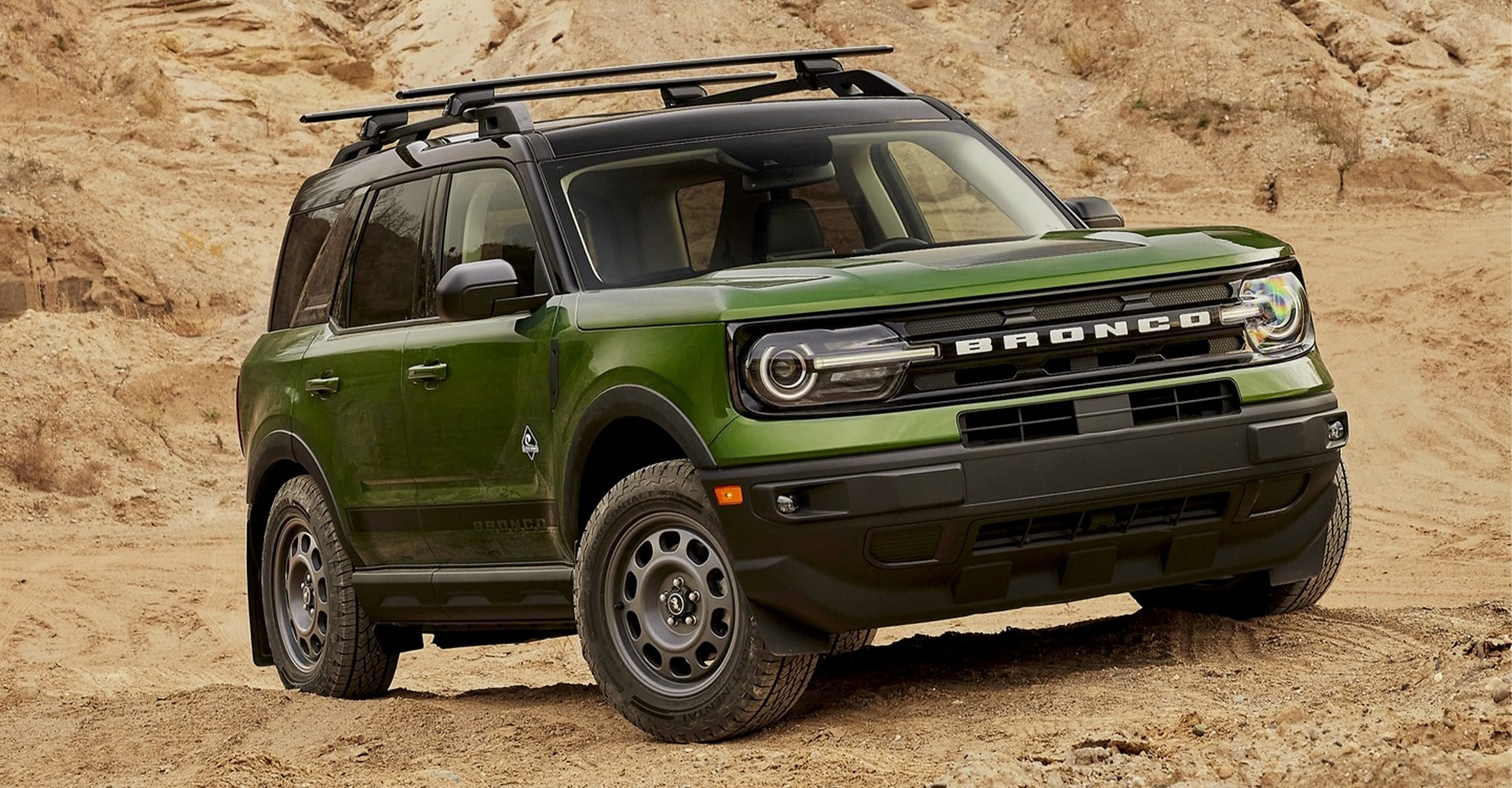
Long off-road trips require more than just a tough exterior. Upgrading your interior with more durable seats, storage solutions, and protective floor mats helps you stay organized and comfortable. Adding extra storage with the available Cargo Management System is also a great way to carry more gear for your adventures.
8. Final Check: Off-Road Ready?
Before heading out on the trail, make sure your Ford Bronco Sport is in top condition. Check the essentials like tire pressure, oil, and brake pads to ensure your vehicle is ready for the journey. It’s also a good idea to research the trails you plan to tackle and check the weather so you can be fully prepared.
Your Off-Road Chariot Awaits
With the right upgrades, your Ford Bronco Sport can become an even more capable and comfortable off-road machine. Whether it’s improving suspension, enhancing performance, or adding protection and recovery gear, these modifications will help you get the most out of your Ford Bronco Sport on your next adventure. We’ll fill you in on all the Ford Bronco Sport off-road accessories at Boulevard Ford of Millsboro. See you soon!
Ford Bronco Sport Reliability

Are Ford Bronco Sports Reliable? We Have the Answer!
The Ford Bronco Sport has taken the automotive world by storm with its rugged good looks and impressive off-road performance. This Built Ford Tough® SUV offers a unique blend of style, versatility, and off-road capability. Whether you’re commuting to work or exploring the wilderness, the Ford Bronco Sport is ready to tackle any adventure. One of the top questions on the minds of potential Ford Bronco Sport buyers is its reliability. Is the Ford Bronco Sport reliable enough for daily driving and off-road adventures? We’ll delve into the latest reliability reports, and trusted reviews, to help you make an informed decision. Head to Boulevard Ford of Millsboro to learn all about the Ford Bronco Sport’s reliability!
Reliability Ratings and Reviews
The Ford Bronco Sport has proven itself as a reliable off-roading companion and versatile daily driver. For the 2025 model year, this trend is expected to continue. According to US Car News, the Ford Bronco Sport has earned a J.D. Power predicted reliability score of 88 out of 100. This high rating suggests that the Ford Bronco Sport will deliver dependable performance, minimal mechanical issues, and long-lasting durability, making it a trustworthy choice for both on-road and off-road adventures.

Most Reliable Model Years
The 2023 Ford Bronco Sport has been praised for its reliability, with many experts predicting even stronger long-term performance. The introduction of a new engine and transmission in the 2023 Ford Bronco Sport model is a promising sign for increased durability. Further solidifying its reputation, the 2024 Ford Bronco Sport model was recognized by JD Power with the Best-in-Class New Vehicle Quality Award among Small SUVs.* The various trims and specifications of the 2025 Ford Bronco Sport model, including different engine options and features, highlight the continuous improvements and reliability across the lineup.
Comparison to Other SUVs
The Ford Bronco Sport competes with other compact SUVs like the Jeep Wrangler, Jeep Cherokee, and Subaru Forester. While these competitors offer their own unique strengths, the Ford Bronco Sport stands out with its exceptional blend of off-road capability and on-road comfort. Additionally, the Ford Bronco Sport’s reliability rating often surpasses that of some of its competitors, making it a more dependable choice for both daily driving and weekend adventures.
Buying New vs. Used
The Ford Bronco Sport is a relatively new model, first introduced in 2021. This means that even used Ford Bronco Sports offer a modern driving experience with the latest features and technology. While a new Ford Bronco Sport provides the peace of mind of factory warranty and the latest model year features, a used Ford Bronco Sport can offer significant savings and still deliver a capable and stylish SUV.
Is the New Ford Bronco Sport Reliable?
Since its anticipated release in 2021 the Ford Bronco Sport has taken the automotive world by storm with its rugged good looks and impressive off-road capabilities. But is it as reliable as it is stylish? The answer is yes! But you’ll have to experience the Ford Bronco Sport reliability firsthand with a test drive at our dealership. The latest edition of the Ford Bronco Sport boasts a suite of technology features geared towards venturing and a host of stylish features to set you apart from the competition. The 2025 Ford Bronco Sport is packed with the most innovative technology to keep you connected and entertained. Each model comes standard with a spacious 13.2-in. center stack screen and a 12.3-in. fully digital instrument panel cluster, providing a modern and immersive driving experience. Plus, with wireless Apple CarPlay® and Android Auto™ compatibility, you can seamlessly connect your smartphone and access your favorite apps.

Conclusion
The Ford Bronco Sport is a unique and capable SUV that supplies the perfect blend of off-road prowess and on-road comfort. With a high-reliability score and a growing number of used models available in recent years, the Ford Bronco Sport is a compelling choice for many. The various 2025 Ford Bronco Sport models, including their different trims, provide potential buyers with a range of options, detailing specifications such as engine power and drivetrain options. While the 2023 model year may offer additional improvements in reliability, it’s essential to weigh the benefits of a newer model against the potential savings of a used one. By carefully considering the reliability ratings, common issues, and your specific needs, you can make a decision and find the perfect Ford Bronco Sport for your adventures. Head to Boulevard Ford of Millsboro to explore more information about the Ford Bronco Sport reliability.
*For J.D. Power 2024 U.S. Initial Quality Study award information, visit jdpower.com/awards.
Is The Ford Bronco Sport AWD or 4WD?

Tackle Any Terrain
For drivers who love tackling new terrain, the Ford Bronco Sport’s features and capabilities, such as its driver-assistance technology, reliability, fuel economy, and off-road performance, make it a standout choice at Boulevard Ford of Millsboro. A common question about this model is: Is the Ford Bronco Sport AWD or 4WD? In this guide, we’ll explore the features of the Ford Bronco Sport’s drivetrain to clarify the differences and understand its unique capabilities.
Understanding AWD vs. 4WD in the Ford Bronco Sport
Are Ford Bronco Sports 4WD, or are they AWD? The Ford Bronco Sport, a compact SUV, comes standard with an all-wheel-drive (AWD) system across all trims, designed for confident handling in a range of driving conditions. While both AWD and 4WD provide power to all four wheels, they operate differently. AWD, which is more common in the Ford Bronco Sport, automatically adjusts the power between the front and rear wheels for a smooth response on varying surfaces.
In contrast, a traditional 4WD system, seen in the larger Ford Bronco models, is geared for more rugged, off-road conditions with low-range gearing for intense off-road scenarios. AWD in the Ford Bronco Sport provides automatic traction on light trails and challenging road conditions, while still prioritizing everyday driving comfort. The Boulevard Ford of Georgetown team is happy to help you explore how AWD might suit your driving needs.
How the Ford Bronco Sport’s AWD System Works

Does the Ford Bronco Sport have 4-wheel drive? Technically, yes—its upgraded all wheel drive system is designed to maximize grip on challenging terrain by continuously distributing power to the wheels with the most traction. Unlike traditional 4WD, the AWD system in the Ford Bronco Sport is automatic, meaning it adjusts on the fly to handle conditions like rain, snow, and dirt.
Every trim level, from the base to the Badlands®, includes this AWD system as standard, making it well-suited for drivers who want stability on slippery surfaces without manually switching into a 4WD mode. This advanced AWD system also makes the Ford Bronco Sport an excellent choice for those who want the capability to drive on trails but don’t necessarily need a traditional 4WD.
Ford Bronco Sport’s G.O.A.T. Modes® for Adaptable Driving
The Ford Bronco Sport AWD system also includes G.O.A.T. (Goes Over Any Terrain) Modes® to offer additional customization. These modes adjust the drivetrain’s power distribution and other performance settings for specific driving environments, enhancing its capability. Some of the G.O.A.T. Modes® include:
- Normal Mode: Ideal for standard daily driving.
- Eco Mode: Optimizes fuel efficiency.
- Sport Mode: Boosts throttle response.
- Slippery Mode: Adds stability for icy or rainy roads, essentially acting as a Ford Bronco Sport Snow Mode.
- Sand Mode: Provides grip on loose or sandy surfaces.
For more serious off-road enthusiasts, the Ford Bronco Sport Badlands® trim adds Mud/Ruts Mode and Rock Crawl Mode, which increase traction and control for rugged terrains. These features make the Badlands® model particularly capable off-road. The Boulevard Ford of Georgetown team can show you how these G.O.A.T. Modes® can adapt to various environments, giving you confidence in any situation.
Advantages of AWD for Winter and Wet Conditions
One of the primary benefits of the Ford Bronco Sport’s AWD system is its versatility in winter and inclement weather. Ford Bronco Sport Snow Mode (activated via the Slippery G.O.A.T. Mode®) is designed to improve traction and control on icy, snowy, or wet roads, helping you avoid wheel slippage and maintain better stability. In addition to its AWD system, the Ford Bronco Sport features advanced driving technology like Adaptive Cruise Control, which enhances the overall driving experience, especially in stop-and-go traffic. Compared to normal driving mode, the Ford Bronco Sport Snow Mode reduces throttle response and adapts the AWD system to ensure a stable drive. Whether you’re navigating icy roads in Georgetown, DE, or exploring local trails, the Ford Bronco Sport’s AWD system can provide the control you need. Boulevard Ford of Georgetown encourages you to test drive the Ford Bronco Sport to experience how well this mode functions in challenging weather.
The Ford Bronco Sport Badlands® Trim: Designed for Off-Road
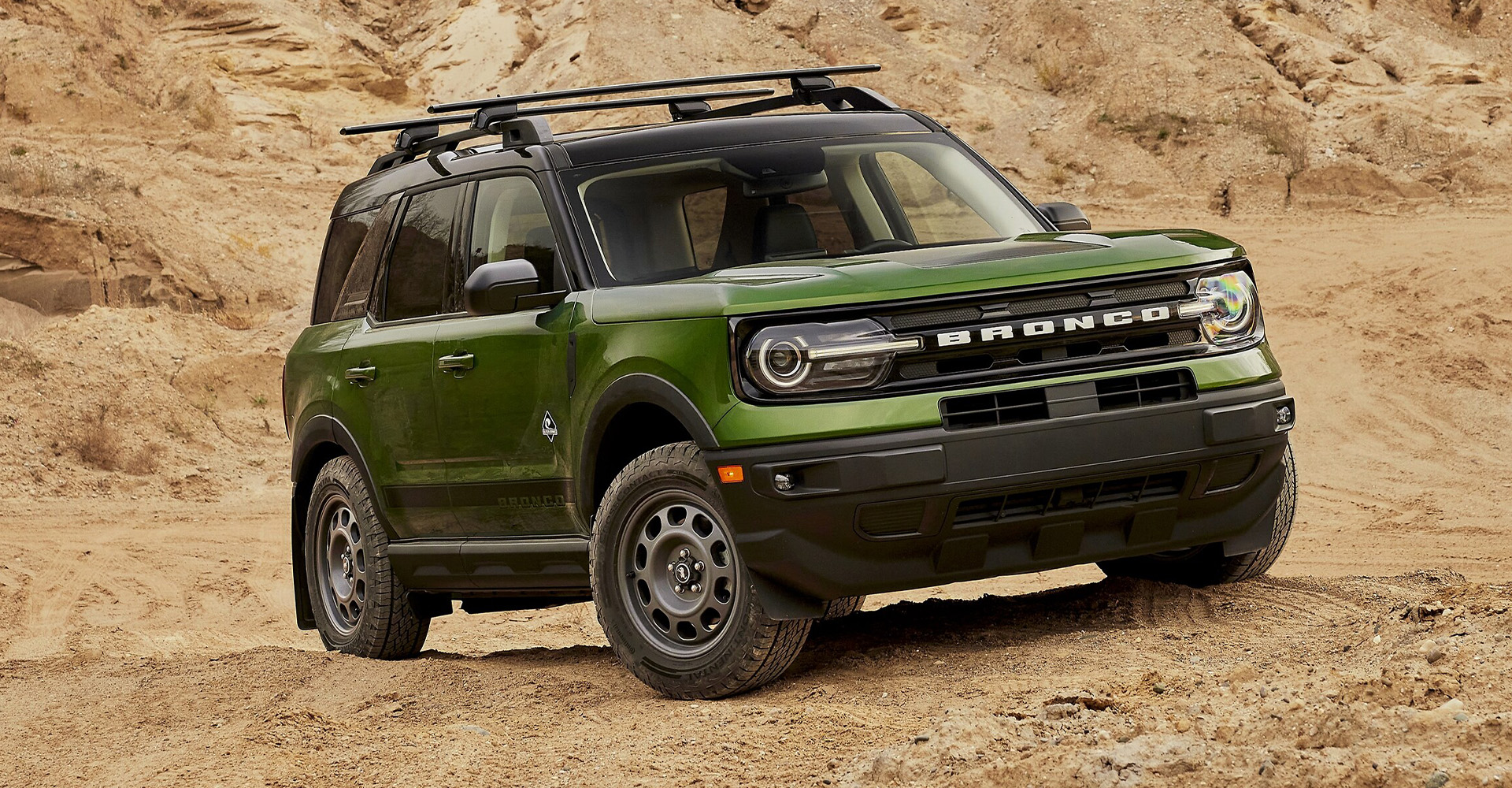
If you’re seeking off-road capabilities similar to traditional 4WD, the Ford Bronco Sport Badlands® model is an excellent choice. This trim level offers an advanced AWD system with a twin-clutch rear-drive unit that operates similarly to a 4WD. It can lock the rear axle to enhance off-road grip, distributing power to both the front and rear axles, especially useful for uneven terrain or steep hills.
In addition to the enhanced AWD system, the Ford Bronco Sport Badlands® trim is equipped with 17-inch all-terrain tires, a lifted suspension, and underbody skid plates to protect vital components. These features make it an ideal model for drivers who want more than just AWD. Boulevard Ford of Georgetown can provide more details on the Ford Bronco Sport Badlands®’ off-road prowess and help you explore whether this model meets your adventure needs.
Comparison to the Full-Size Ford Bronco 4WD
Wondering how the Ford Bronco Sport’s AWD compares to the full-size Ford Bronco’s 4WD? The larger Ford Bronco is built with a two-speed transfer case, ideal for extreme off-roading and conditions like sand dunes or rock climbing. While the Ford Bronco Sport’s AWD provides versatile all-terrain handling, the larger Ford Bronco’s 4WD is designed for more rugged, technical off-road situations. For safety and preparedness before off-road driving, always consult the owner’s manual to understand your vehicle’s capabilities and ensure proper conditions are met.
Which Ford Bronco Sport Trim Is Right for You?
The Ford Bronco Sport AWD system provides versatility, safety, and stability for Georgetown, DE drivers in varied conditions. When comparing compact SUVs, the Ford Bronco Sport stands out against models like the Honda CR-V and Hyundai Tucson, especially in terms of off-road capability and practical interiors. Whether you’re interested in the Big Bend®, Outer Banks®, or Badlands® trims, the Boulevard Ford of Georgetown team is here to help. Each trim offers an advanced AWD system, with the Badlands® model taking off-road capability a step further with its unique twin-clutch rear-drive unit.
Adventure Starts Here
Boulevard Ford of Millsboro invites you to explore the Ford Bronco Sport’s AWD system and see how it performs in real-life conditions. Whether you’re looking for an SUV for daily commutes or ready to tackle rugged trails, the Ford Bronco Sport delivers. Visit us today to test drive the Ford Bronco Sport and experience the confidence and power this model brings to every journey.
Ford Bronco Sport Lease Offers in Georgetown, DE

Explore Our Ford Bronco Sport Lease Deals
Attention thrill-seekers! Ready to hit the road in a new Ford Bronco Sport but worried about the price tag? Leasing could be your ticket to adventure. In this blog, we’ll break down the ins and outs of Ford Bronco Sport lease options. We’ll show you how leasing can help you enjoy the Ford Bronco Sport’s power and performance without breaking the bank. Plus, we’ll explore potential savings compared to buying, flexible lease terms, and exclusive benefits for military and first responders through Ford’s Appreciation Programs. Don’t miss out on our current Ford Bronco Sport lease offers, and visit Boulevard Ford of Millsboro to experience the Ford Bronco Sport firsthand!
Ford Bronco Sport Models and Features
The Ford Bronco Sport lineup offers a variety of models, each designed to meet different driving preferences and needs. The base model comes with a capable engine and a reliable drivetrain, making it suitable for everyday drives as well as more adventurous outings. Higher trims offer additional features, such as upgraded materials, enhanced technology, and improved performance options, giving you more choices when it comes to comfort and capability. Whether you’re looking for a more luxurious ride or extra versatility, a Ford Bronco Sport lease gives drivers a range of options to fit different lifestyles and budgets.
All the Advantages: Ford Bronco Sport Lease Offers
A Ford Bronco Sport lease is already a smart financial move, helping you save on your monthly payments. But if you’re a college student, first responder, military member, or Farm Bureau member, the savings get even better! Did you know that with the current Ford Appreciation Programs, you can receive a $500 bonus cash incentive that can be applied directly toward your Ford Bronco Sport lease, making it even more affordable?
Ford Bronco Sport leasing offers several advantages, such as:
Lower Monthly Payments: Leasing reduces your upfront costs, and with the added $500 bonus from the Ford Appreciation Program, you get even more value.
Always Drive New: At the end of your lease, you can always upgrade to the latest Ford Bronco Sport model, complete with all the newest features. Plus, you may be able to apply the $500 bonus again (just check for any program restrictions).
If you’re a college student working toward your future, a first responder keeping our communities safe, a military member who has served, or a Farm Bureau member helping the agricultural industry thrive, our Ford Bronco Sport lease deals combined with the Ford Appreciation Program are designed to make your dream car even more accessible. Be sure to Check our Current Event Offer page frequently for the latest updates and lease specials!
How Much to Lease a Ford Bronco Sport?: Ford Bronco Sport Lease Price and Payments
If you’re dreaming of driving a rugged and stylish Ford Bronco Sport, leasing one might be a great option to consider. According to reports from Edmunds, a 2024 Ford Bronco Sport Outer Banks® can garner an estimated monthly payment of around $486 for a 36-month lease, giving you the perfect blend of capability and luxury. However, depending on your preferences, there are more affordable options available. The 2024 Ford Bronco Sport Heritage starts at just $413 per month, while the Ford Bronco Sport Big Bend® model offers a budget-friendly lease at $379 per month, both for 36 months. No matter which model you choose, you’ll be getting a versatile SUV built for adventure, all while keeping your monthly payments manageable.
Are Ford Bronco Sports Good to Lease?
Yes, a Ford Bronco Sport lease can be a great choice for many drivers, especially if you’re looking for a flexible, budget-friendly way to drive a new, adventurous vehicle without committing to long-term ownership. Leasing typically offers lower monthly payments compared to purchasing a vehicle. This is because you’re essentially paying for the depreciation of the car during the lease term rather than the entire cost of the vehicle. So, if you want to drive a new Ford Bronco Sport but want to keep your monthly expenses in check, leasing can be a great way to do it. Leasing a Ford Bronco Sport might be particularly appealing if you:
- Like the idea of driving a new, feature-packed SUV every few years.
- Want lower monthly payments and fewer maintenance worries.
- Don’t drive excessively (leases often come with a mileage limit, usually around 10,000 to 15,000 miles per year).
- Are comfortable with returning the vehicle at the end of the lease term. Learn more about our easy lease returns by clicking here!
Making an Informed Decision
When it comes to signing a Ford Bronco Sport lease agreement, taking a moment to make an informed decision can save you from unexpected surprises down the road. Begin by reviewing the terms and conditions of the lease to ensure you fully understand what you’re committing to. Don’t forget to factor in the total cost of the lease, including fees, taxes, and any additional charges, to ensure it fits comfortably within your budget. Also, take time to explore the vehicle’s features and options, confirming that it aligns with your needs and lifestyle. And remember, don’t hesitate to ask questions or request clarification from our team at Boulevard Ford of Georgetown.

Choose Adventure
Opting for a Ford Bronco Sport lease is a smart choice if you’re looking for flexibility, lower payments, and the ability to upgrade to a new model every few years. It’s especially appealing for drivers who enjoy driving a new Ford with the latest features and don’t want the long-term commitment of ownership. Head to Boulevard Ford of Millsboro to explore our lineup and learn more about our Ford Bronco Sport lease offers today!
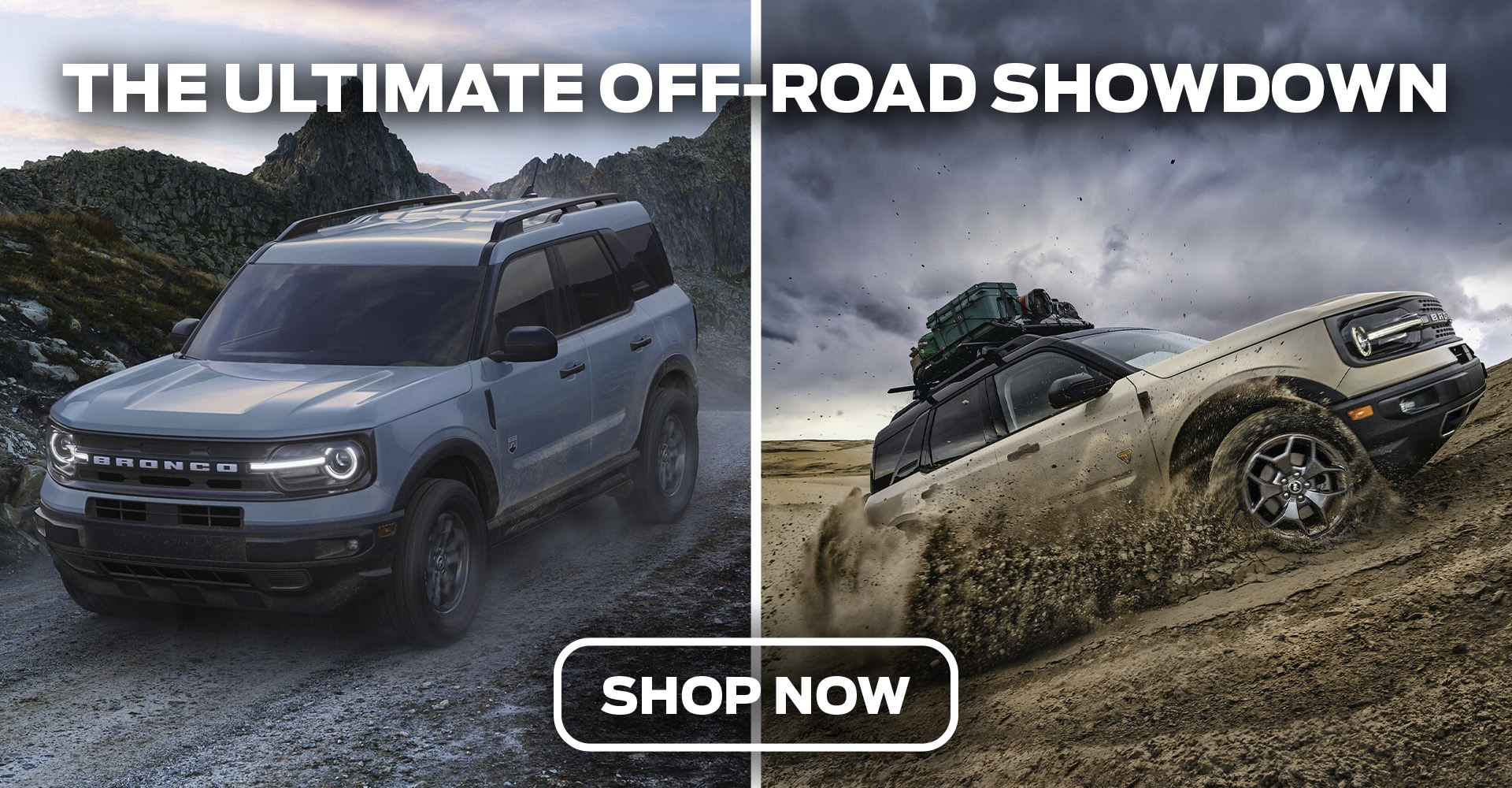
Which Bronco Sport is the Best Option for You?
The Ford Bronco Sport is a compact SUV that defies expectations, seamlessly marrying off-road prowess with everyday practicality. With its rugged exterior and versatile interior, the Ford Bronco Sport is designed to tackle any terrain, from challenging trails to bustling city streets. Offering a range of trim levels, there’s a Ford Bronco Sport to suit every driving style and adventure preference, but we’re going to be comparing the Ford Bronco Sport Big Bend® vs. Ford Bronco Sport Outer Banks®. Keep reading to see how these two trim levels stack up against each other, and head to Boulevard Ford of Millsboro to see the Ford Bronco Sport in person!

Powertrains, Fuel Economy, & Performance
When comparing the roaring heart of the Ford Bronco Sport Big Bend® vs. Ford Bronco Sport Outer Banks®, you’ll see they are each equipped with the same standard 1.5L EcoBoost® engine, which supplies 181 horsepower and 190 lb.-ft. of torque. Both feature an 8-speed automatic transmission and have an EPA-estimated 25 city MPG and 29 highway MPG. Wondering about the Ford Bronco Sport Big Bend® vs. Outer Banks® towing capacity? When configured properly and equipped with the available Class II Trailer Tow Package, these two Ford Broncos Sport models can tow up to 2,000 lbs. So, when comparing the performance of the Ford Bronco Sport Big Bend® vs. Ford Bronco Sport Outer Banks®, it’s a fair tie!

Ford Bronco Sport Big Bend® vs. Ford Bronco Sport Outer Banks® Interior
The Ford Bronco Sport Big Bend® vs. Ford Bronco Sport Outer Banks® trims offer distinct interior features to cater to different preferences. The Ford Bronco Sport Big Bend® comes with a 4.2-inch instrument cluster, while the Outer Banks® model upgrades to a larger 6.5-inch color LCD instrument panel. Both displays provide essential vehicle information. The Ford Bronco Sport Big Bend® trim provides a comfortable and well-equipped cabin with Electronic Automatic Temperature Control and a rear air duct, ensuring a pleasant climate for all passengers. In contrast, the Ford Bronco Sport Outer Banks® trim elevates the interior experience with Dual-Zone Electronic Automatic Temperature Control, allowing individual temperature adjustments for the driver and front passenger. The Ford Bronco Sport Outer Banks® trim, positioned as the more premium option, boasts a luxurious interior with premium-trimmed seating, heated front seats, and power-adjustable driver and passenger seats. Enjoy a heated, premium-wrapped steering wheel with the iconic Bronco Badge and ambient lighting for a sophisticated touch. In contrast, the Ford Bronco Sport Big Bend® trim offers a more standard interior with unique cloth seating that is easy to clean, making it practical for everyday use. While it doesn’t include heated seats or power adjustments for the driver and passenger, it still provides a comfortable and functional space.
Guaranteed Off-Road Performance
When comparing the Ford Bronco Sport Big Bend® vs. Ford Bronco Sport Outer Banks®, both models come equipped with the Terrain Management System™ and its five G.O.A.T. Modes®. With the standard lineup of Normal, Eco, Sport, Slippery, and Sand. No matter which trim you choose, you’re guaranteed optimal off-road performance!
Ford Bronco Sport Big Bend® vs. Ford Bronco Sport Outer Banks® Exterior
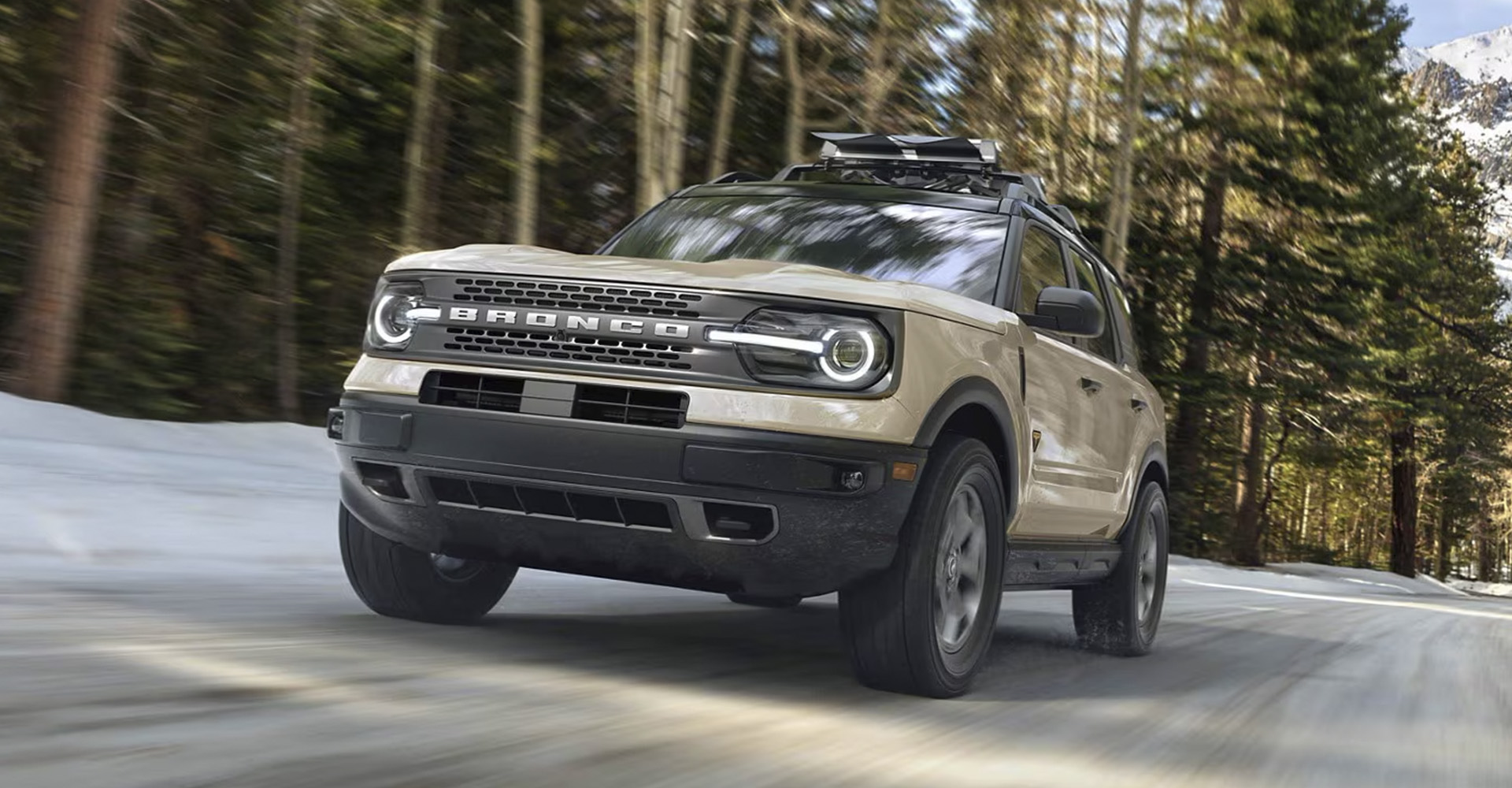
The Ford Bronco Sport Big Bend® vs. Ford Bronco Sport Outer Banks® offers distinct exterior styling options depending on the trim. The Ford Bronco Sport Outer Banks® trim features 18-inch Machined-Face Aluminum Ebony Black-Painted Wheels, LED Fog Lamps, and a sleek black grille with White Bronco® Lettering. In contrast, the Ford Bronco Sport Big Bend® trim showcases 17-inch Carbonized Gray-Painted High-Gloss Aluminum Wheels and a Carbonized Gray Grille with White Bronco® Lettering.
Trim Exclusive Packages
Ford Bronco Sport Big Bend® Convenience Package: This exclusive package includes an 8-way power driver’s seat for personalized comfort, heated front seats to keep you warm on chilly days, LED fog lamps for improved visibility in low-light conditions, a premium wrapped steering wheel for a more luxurious feel, and a wireless charging pad and universal garage door opener for added convenience.
Ford Bronco Sport Outer Banks Tech Package: Add a splash of luxury and convenience to the Ford Bronco Sport with this available package. It includes the premium B&O® Sound System by Bang & Olufsen®, featuring a powerful 10-speaker setup with a subwoofer for immersive audio. Stay connected with HD Radio™ and enjoy the convenience of wireless charging for your compatible devices. Plus, the included universal garage door opener makes accessing your home a breeze.
The Choice is Yours
Ultimately, the choice between the Ford Bronco Sport Big Bend® vs. Ford Bronco Sport Outer Banks® trims comes down to your individual priorities. The Ford Bronco Sport Big Bend® offers a more rugged and off-road-focused experience with its standard features and optional packages. If you’re seeking a blend of off-road capability and refined comfort, the Ford Bronco Sport Outer Banks® trim provides a more luxurious and upscale option. Both trims deliver on the Ford Bronco Sport’s promise of versatility and adventure, so consider your driving style and preferences to determine which one best suits your needs. The only fair way to make your decision is by taking a test drive. Visit Boulevard Ford of Millsboro to compare the Ford Bronco Sport Big Bend® vs. Ford Bronco Sport Outer Banks® trims for yourself!

A Bronco Sport Showdown: Comparing Trim Levels
If you’ve been eyeing the Ford Bronco Sport for quite some time, we don’t blame you. The sporty version of the beloved Built Ford Tough® SUV is off-road ready, ultra-stylish, and equipped for every adventure. Follow along to view the difference between the Ford Bronco Sport Outer Banks® vs. Badlands® trim levels, and head to Boulevard Ford of Millsboro for a test drive!
Ford Bronco Sport Outer Banks® vs. Badlands® Engine
The Ford Bronco Sport Outer Banks® vs. Badlands® models feature different engines, each offering distinct performance characteristics. The Ford Bronco Sport Outer Banks® model is powered by the standard 1.5L EcoBoost® engine, which provides 181 horsepower and 190 lb.-ft. of unstoppable torque. The Ford Bronco Sport Badlands® model differs from the rest of the lineup, coming standard with the powerful 2.0L EcoBoost® engine. This heightened engine gives you access to 250 horsepower and 277 lb.-ft. of torque. When equipped with the available Class II Trailer Tow Package, your Ford Bronco Sport Badlands® can tow up to 2,200 lbs. in comparison to the max trailer weight of 2,000 lbs. on other models. In addition to an 8-speed automatic transmission, the Ford Bronco Sport Badlands® features SelectShift® with Paddle shifters. So, if you’re an avid adventurer who requires a bit of extra gusto, you may want to opt for the Ford Bronco Sport Badlands®, and if you still want ultimate power, the Ford Bronco Sport Outer Banks® has more than enough vigor for your journeys.

Ford Bronco Sport Outer Banks® vs. Badlands® Off Road
Whether you opt for the Ford Bronco Sport Outer Banks® vs. the Ford Bronco Sport Badlands®, you’re guaranteed optimal off-road prowess. As the two highest trim levels, these models come equipped with some of the most advanced features for off-road adventures. The Ford Bronco Sport Badlands® features the standard advanced 4×4 system with a twin-clutch rear drive unit. This gives you additional traction and gripping power, perfect for handling off-road terrain. Additionally, the rear differential lock will always get you out of sticky situations when faced with muddy trails. The steel-plated rear bumpers, part of the available Sasquatch® Package, further enhance the vehicle’s off-road performance and resilience. Comparing the similarities of the Ford Bronco Sport Outer Banks® vs. the Ford Bronco Sport Badlands®, you’ll get access to the standard Terrain Management System™ with seven G.O.A.T. Modes™, including:
- Sand
- Slippery
- Sport
- Eco
- Normal
However, if you choose to opt for the Ford Bronco Sport Badlands® model, you will get two additional modes, including:
- Mud/Ruts
- Rock Crawl
Ford Bronco Sport Outer Banks® vs. Badlands® Cargo Space
Both trims also offer ample cargo space, making them practical for carrying adventure gear and day-to-day items. There’s a bit more space in the Ford Bronco Sport Outer Banks® trim with 65.2 cu.ft. of cargo volume behind the first row as opposed to the 60.6 cu.ft. of available cargo capacity behind the first row on Ford Bronco Sport Badlands® models. However, the Ford Bronco Sport Badlands® model supplies additional room for space with under-seat storage compartments in the second-row seats.

Ford Bronco Sport Outer Banks® vs. Badlands® Gas Mileage
When comparing the MPG of the Ford Bronco Sport Outer Banks® vs. Ford Bronco Sport Badlands®, they differ only by a few miles. The Ford Bronco Sport Outer Banks® trim holds an EPA-estimated combined 26 MPG, while the Ford Bronco Sport Badlands® has a combined EPA-estimated 23 MPG. They have a very similar fuel efficiency rating, so it all depends on your personal preferences and daily commute.
Time for a Test
If you’re considering a Ford Bronco Sport, you’ve got a tough choice to make. As you can see, the Ford Bronco Sport Outer Banks® vs. Badlands® trims both offer unique features and capabilities. Still conflicted on which trim suits you best? Head to Boulevard Ford of Millsboro to compare them side-by-side to see which one is the best fit for your needs!
Ford F-150 Hybrid Truck

Does Ford Make a Hybrid Ford F-150? What You Need to Know
The Ford F-150 has long been a symbol of American strength and versatility. Now, with the introduction of the Ford F-150 hybrid truck, this iconic vessel from the Blue Oval Brand is taking performance to new heights. Combining the power of a traditional gas engine with the efficiency of an electric motor, the Ford F-150 hybrid truck offers an unparalleled driving experience that’s perfect for both work and play. Let’s take a closer look at what makes the Ford F-150 hybrid truck a force to be reckoned with. Then, head to Boulevard Ford of Millsboro to get behind the wheel for a test drive!
Performance and Power: Inside the F-150 PowerBoost® Hybrid Engine
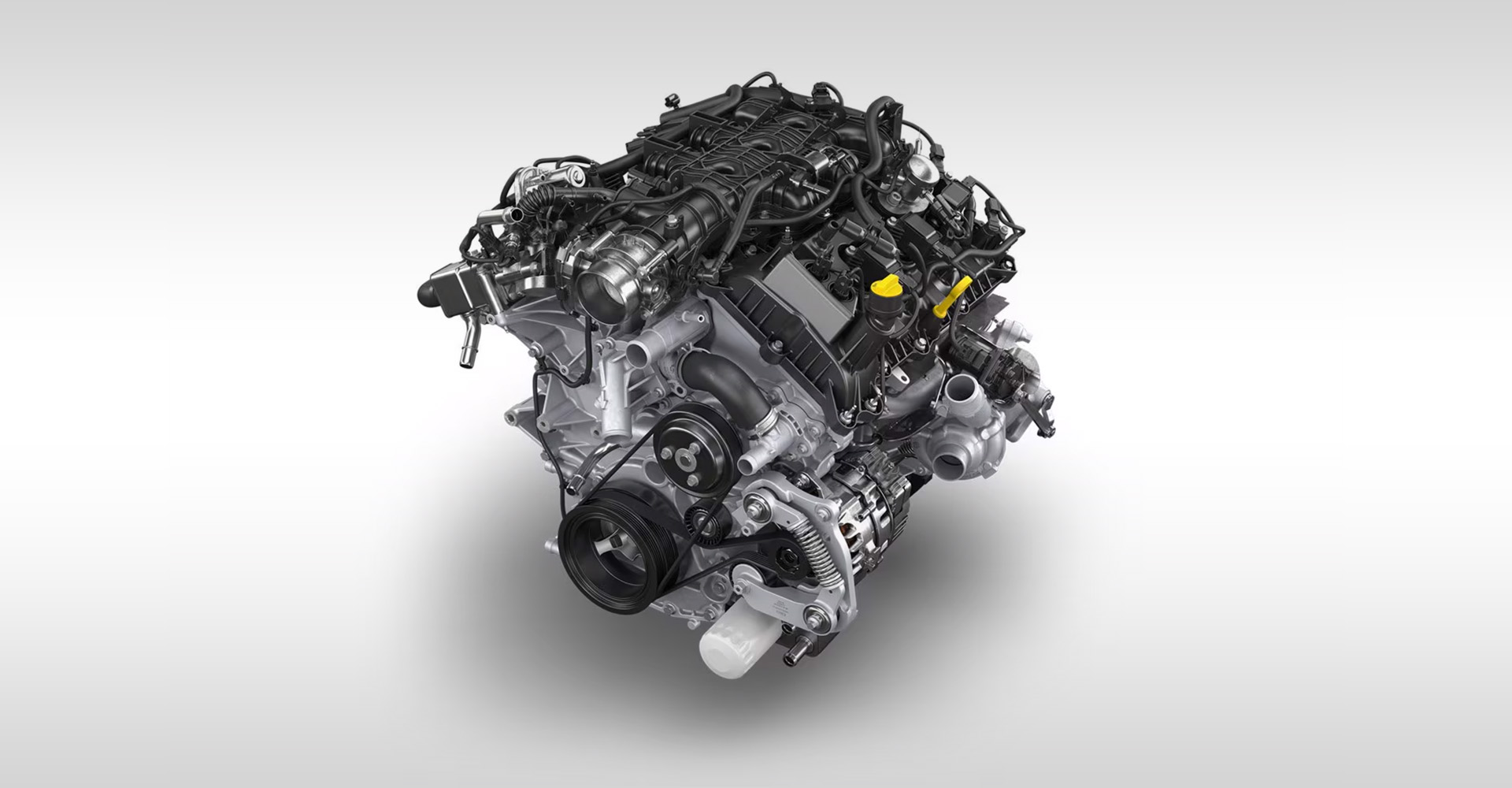
At the heart of each Ford F-150 hybrid truck is the 3.5L PowerBoost® Hybrid V6 engine. This innovative hybrid powertrain combines a 3.5L twin-turbo V6 engine, a 35 kW electric motor, and a Hybrid Electronic 10-speed Automatic Transmission. The result? A staggering 430 horsepower and an unbelievable 570 lb.-ft. of torque, making the Ford F-150 hybrid truck one of the most powerful trucks on the market. The electric motor not only provides additional power but also enhances efficiency.
Capability and Towing
The Ford F-150 hybrid truck’s impressive powertrain translates to exceptional capability. With a maximum towing capacity of 11,200 lbs. when properly configured, it’s ideal for towing large trailers, boats, and other heavy equipment. A best-in-class payload capacity of 1,735 lbs. ensures that you can easily haul everything from construction materials to landscaping supplies. Whether you’re a contractor, a farmer, or simply someone who needs a truck that can handle it all, the Ford F-150 hybrid truck has the power and capability to meet your demands. The King Ranch trim, with its premium features and enhanced towing capabilities, further elevates the Ford F-150’s performance, making it a standout choice among high-end trims.

Ford F-150 Hybrid Fuel Economy
The Ford F-150 hybrid truck delivers impressive fuel efficiency, especially considering its size and power. With an EPA-estimated City MPG as high as 25 and a 26 MPG Highway rating, it offers a significant improvement over traditional gas-powered Ford F-150 models. This means you can enjoy the benefits of a powerful truck without sacrificing fuel economy.
Pro Power OnBoard
Imagine having a mobile power station at your fingertips. With the Ford F-150 hybrid truck’s Pro Power Onboard, you can do just that. This class-exclusive feature transforms your truck into a portable generator, providing reliable power for a wide range of applications. Whether you’re a contractor needing power tools on a job site, a camper looking to enjoy the comforts of home in the great outdoors, or simply someone who wants to be prepared for power outages, Pro Power Onboard has you covered. Choose from three available outputs—2.0kW, 2.4kW, and the incredibly powerful 7.2kW—to suit your specific needs. Need to run a few lights and a small refrigerator? The 2.0kW option is perfect. For more demanding tasks like powering a circular saw or a small air compressor, the 2.4kW or 7.2kW outputs will provide the necessary power. With the ability to monitor and track wattage usage through the SYNC® 4 screen or the FordPass® App, you can stay informed and ensure you’re using your power efficiently.
How Far Can the Ford F-150 Go on Electric Only?
Unlike plug-in hybrids, regular hybrids such as the Ford F-150 cannot run on electric power alone. This is primarily due to the size and capacity of their battery packs. Regular hybrids have smaller battery packs designed to assist the gasoline engine, providing a boost of power and improving fuel efficiency. However, these batteries are not large enough to store enough energy to power the vehicle for extended periods without the assistance of the gasoline engine. Plug-in hybrids, on the other hand, have bigger batteries that can be recharged from an external power source. This allows them to operate on electric power alone for a certain distance before switching to a combination of electric and gasoline power. If you’re more interested in a plug-in option, check out the Ford Escape PHEV!
Find A Built Ford Tough® Hybrid
The Ford F-150 hybrid truck is a testament to the future of automotive technology. By combining the power and capability of a traditional truck with the efficiency and innovation of hybrid technology, it offers a truly exceptional driving experience. With its impressive performance, advanced features, and commitment to sustainability, the Ford F-150 hybrid truck is the prime choice for anyone seeking a powerful, efficient, and versatile vehicle. Ready to experience its capabilities for yourself? Head to Boulevard Ford of Millsboro to take a test drive today!
Connect with us

